
















AV-over-IP Has Grown Up: Lessons from the Field
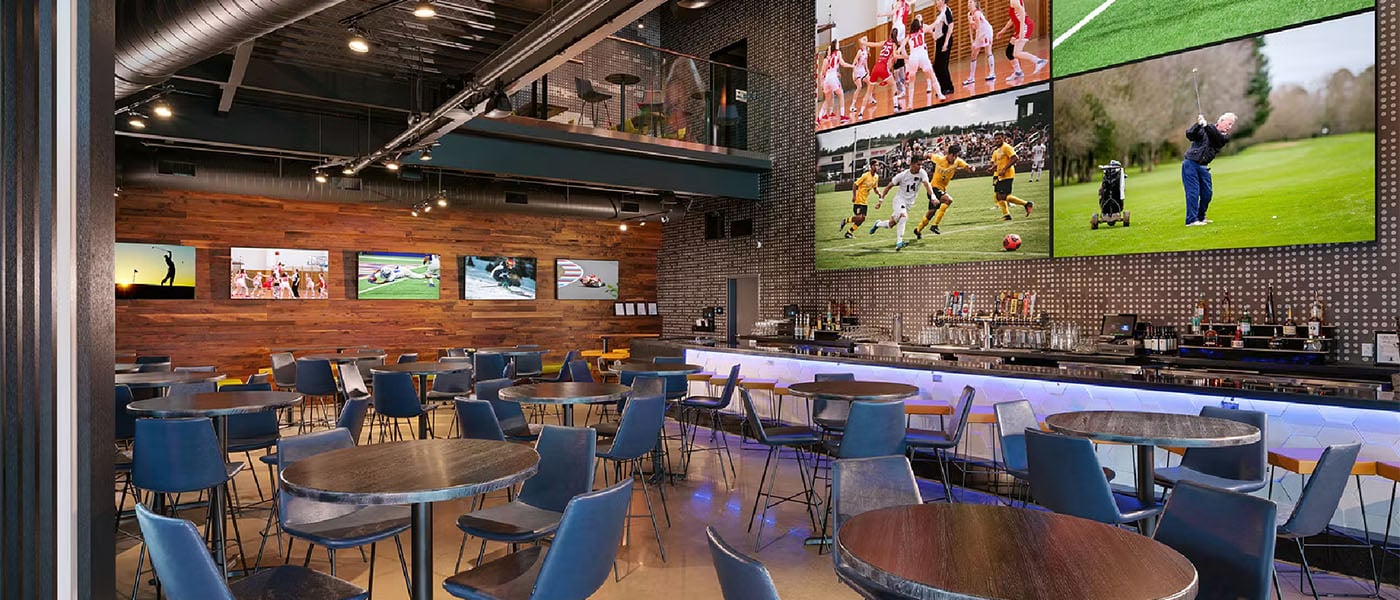
AV-over-IP has matured into a scalable, integrator-friendly AV solution. In this article, Vanco’s Brandon White shares field lessons, emerging trends, and why EVO-IP 2.0 hits the mid-market sweet spot.
AV-over-IP (AVoIP) is no longer a niche tech trend, it’s fast becoming the standard for commercial AV signal transport. From boardrooms and hospitality venues to digital signage and video walls, the shift toward network-based distribution is reshaping the AV industry.
Vanco was early to this transformation. In 2019, we introduced EVO-IP, a solution designed to bring scalable AVoIP technology to mid-market integrators. Like the industry itself, we’ve grown up fast.
The Early Days: What Went Wrong (and Right)
“When we launched EVO-IP in 2019, I may have overestimated how ready the industry was,” says White.
“People didn’t always spec the right switches. They didn’t know how to choose Layer 2+ or Layer 3 switches. We had to walk them through it.”
Vanco wasn’t alone. In the early days, integrators and product developers alike were still getting their footing.
Common AVoIP issues included:
- Networking knowledge gaps
- Poor coordination between AV and IT
- Fragmented standards
- Unrealistic expectations around bandwidth, frame rate, and compatibility
Despite these challenges, Vanco stuck with it.
Our team delivered custom firmware updates based on real installer feedback. We assembled clear, step-by-step switch configuration guides. When issues cropped up in the field, we were there, often answering the phone at all hours, to talk integrators through solutions.
Those long nights weren’t easy, but they paid off. The lessons we learned during those early deployments helped shape the mature, integrator-friendly solutions we offer today.
Turning Point: Interoperability, Training & Simpler Tools
Around 2022, the tide began to turn.
“The industry became more standardized,” says White. “Networking brands started creating AV-specific managed switches with intuitive interfaces, and we aligned our tools to match.”
That meant:
- Releasing EVO-IP 2.0 with standardized chipsets and improved setup
- Providing pre-vetted switch recommendations and config files
- Embracing Dante and IPMX as de facto interoperability standards
- Introducing an intuitive GUI and remote management tools
As integrators became more confident, deployments became smoother, and expectations became more grounded in what AVoIP could realistically deliver.
Designing for Hybrid AV Environments
Today’s integrators are increasingly tasked with managing hybrid AV systems, environments where legacy analog hardware must operate seamlessly alongside modern IP-based technologies.
This scenario plays out frequently in sectors like education, government, and hospitality, where budgets often call for incremental upgrades rather than full infrastructure overhauls.
In these situations, success hinges on more than just clever cabling. It requires a clear understanding of how older gear fits into a modern AV strategy, along with the use of reliable bridging technologies like transcoders and format converters. When deployed thoughtfully, these tools enable legacy and IP components to work side by side without introducing unnecessary complexity or performance trade-offs.
As industry expert Ron Rundell put it, hybrid AVoIP design isn’t about “patching old and new together,” but about building a coherent, future-ready architecture.
A standards-based approach to AVoIP is what makes that vision possible.
Practical Lessons from the Field
Even as AVoIP becomes easier to deploy, we still see common integration pitfalls now:
- Poor coordination with IT teams
- Underpowered switch backbones
- Weak network segmentation for AV traffic
“A lot of good IT admins still struggle with multicast,” says White. “We’ve learned how critical it is to speak a common language between AV and IT.”
What Makes an AVoIP System “Ready”?
The most successful AVoIP deployments today tend to strike a balance between performance and practicality. Many are built on 1Gbps network infrastructures, which offer a sweet spot between affordability and capability, enough bandwidth to handle high-quality video without the cost and complexity of more advanced enterprise networks.
Modularity is also key. Systems designed with flexible encoder and decoder configurations allow integrators to scale installations over time, expanding room by room or display by display without a complete overhaul.
With the growing demand for remote support and diagnostics, cloud-based GUIs have become the norm, giving integrators real-time visibility into system performance and making it easier to manage, troubleshoot, and maintain installations at scale.
The Real Benefits of AVoIP, Finally Realized
AVoIP has matured and so have its benefits. For Vanco, that’s meant:
- Scalable deployments (EVO-IP 2.0 supports 25+ endpoints and complex video walls)
- Built-in digital signage tools, USB/KVM control, and eARC/ARC audio
- Cloud-based management for easier support and potential recurring revenue (RMR)
- Reduced cabling costs via standard Cat, fiber, or PoE
- Strong fit in mid-market verticals like education, HoW, hospitality
Unlike early AV-over-IP systems that required enterprise-level IT knowledge, EVO-IP 2.0 was designed specifically for integrator ease-of-use, with simplified network configurations, intuitive setup, and accessible price points.
“We’ve sold more EVO-IP jobs than all our matrix models combined within the first three years,” White notes. “That speaks volumes.”
Don’t Just Adopt AVoIP, Master It
AV-over-IP is now the industry standard. But success depends on the right tools, the right training, and realistic expectations.
To support integrators in that journey, Vanco offers:
- A complete AVoIP Learning Hub
- Switch configuration guides from trusted partners like NETGEAR
Installer insights, case studies, and real-world deployment examples